AI Adoption in Small Businesses
Executive Summary
This comprehensive analysis reveals a rapidly evolving landscape of AI adoption among small businesses, with significant variations in adoption rates depending on how AI implementation is defined and measured. The research, compiled from leading industry sources including McKinsey, PwC, Deloitte, and the U.S. Small Business Administration, presents both promising opportunities and persistent challenges.
Key Findings
- Varied Adoption Rates: AI adoption varies widely (25%-89%) depending on definition and scope of implementation
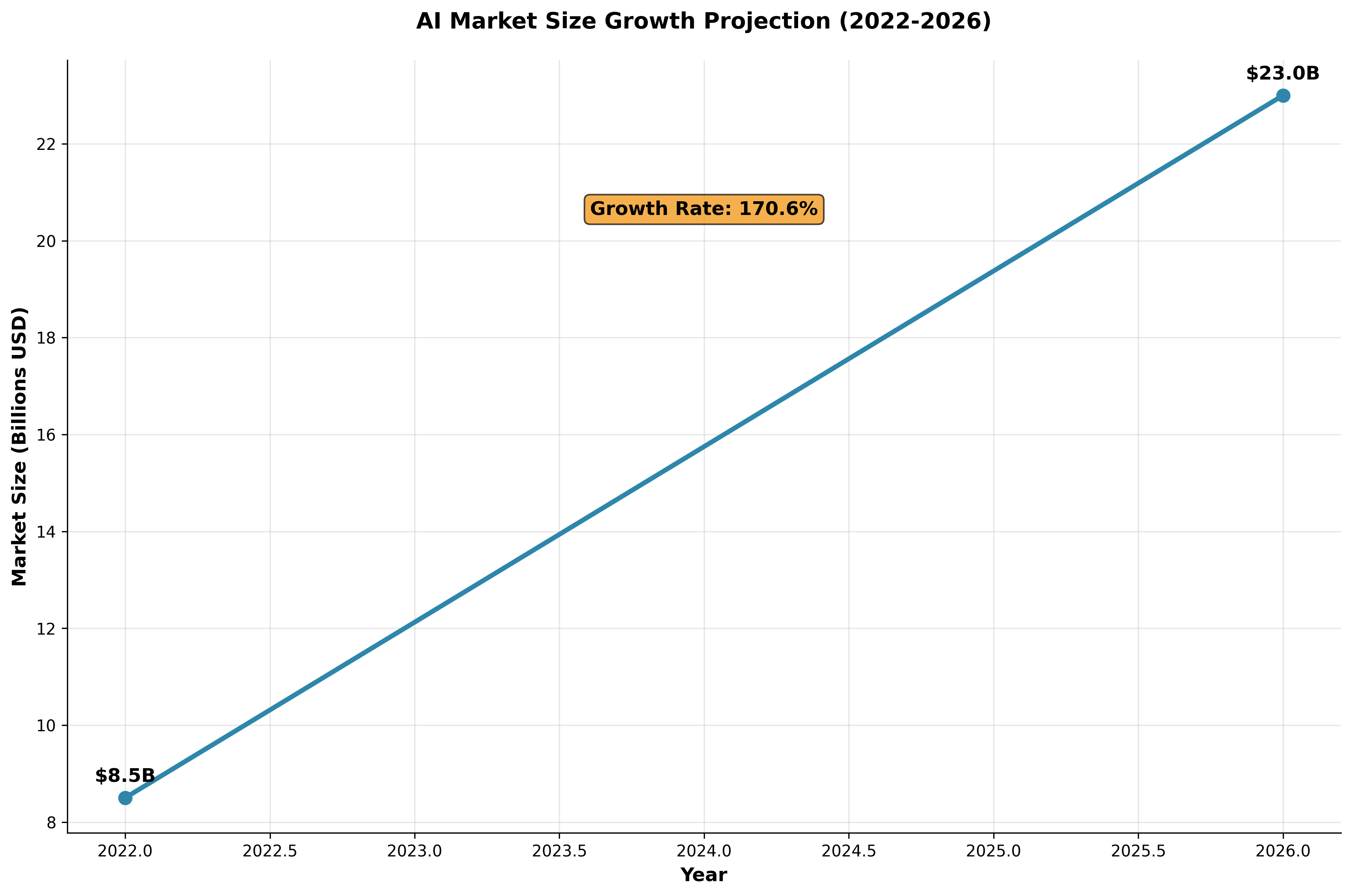
- Explosive Market Growth: Market projected to grow 170% from $8.5B (2022) to $23B (2026)
- Strong Investment Intent: 92% of companies plan to increase AI investment over the next three years
- Education Gap: 86% of small businesses cite education about AI benefits as the primary barrier
- Proven ROI: Microsoft Copilot demonstrates 353% ROI for SMBs, with 30-50% productivity increases typical
Current AI Adoption Landscape
The current state of AI adoption among small businesses presents a complex picture, with adoption rates varying significantly based on how AI implementation is defined and measured. Recent studies from leading research organizations reveal both the promise and the challenges facing small businesses in their AI journey.
Current Adoption Statistics
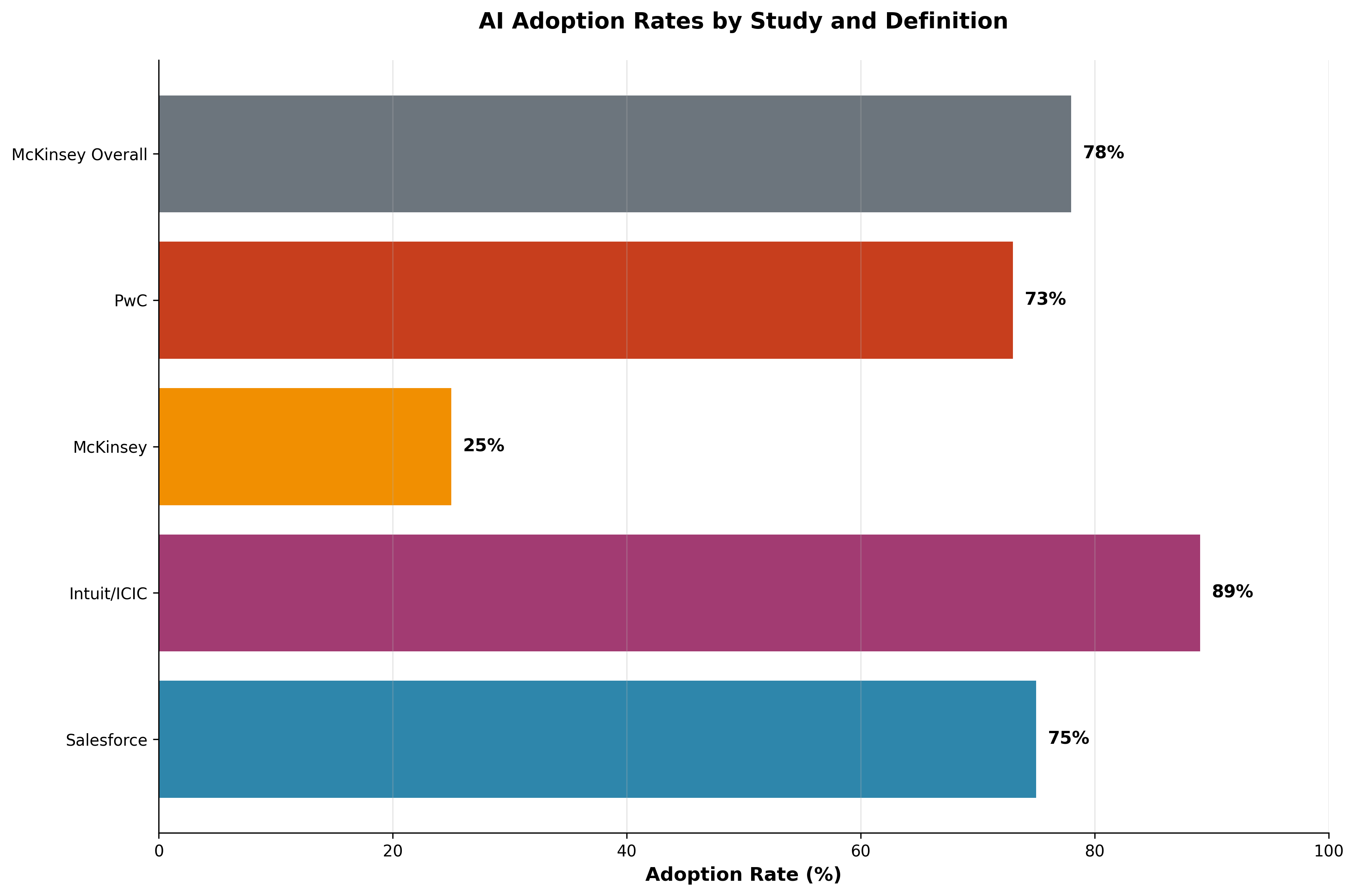
Understanding the Variation
The wide range in adoption statistics (25%-89%) reflects different methodologies and definitions of "AI adoption." While some studies focus on experimental use and basic automation, others require full strategic integration. This variation underscores the importance of understanding what constitutes meaningful AI adoption for small businesses.
Market Growth and Future Projections
The AI market for small and medium businesses is experiencing unprecedented growth, driven by increasing accessibility of AI tools, proven ROI, and competitive pressures. Industry projections indicate sustained expansion through 2026 and beyond.
Market Growth Metrics

Investment Trends
- 92% of companies plan to increase their AI investments over the next three years
- 82% of small businesses believe adopting AI is essential to stay competitive
- Global spending on generative AI projected to reach $644 billion in 2025 (76.4% increase)
- 80% of retail companies expect to adopt AI by 2025
Return on Investment and Business Benefits
Small businesses implementing AI are experiencing significant returns on investment, with documented improvements in productivity, efficiency, and revenue generation. The data reveals compelling business cases across multiple functions and industries.
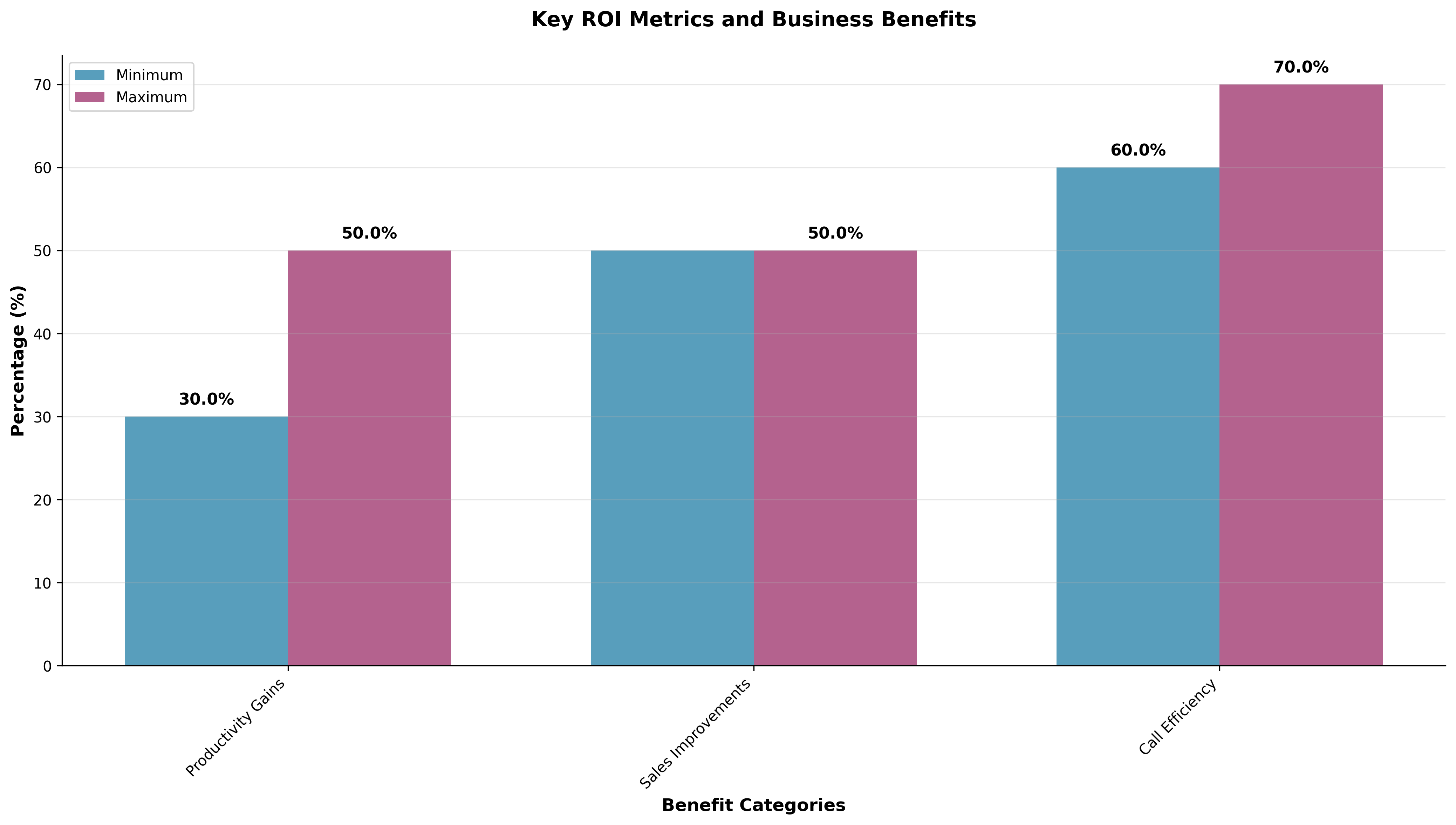
Proven ROI Metrics
Documented Business Benefits
- Productivity Gains: 30-50% increase in productivity within the first year of implementation
- Sales Performance: Companies using AI for sales can increase leads by more than 50%
- Operational Efficiency: 60-70% reduction in call time and improved customer service
- Cost Savings: $273.5 billion in potential annual savings through AI implementation
- Revenue Growth: Enhanced personalization and predictive capabilities driving new revenue opportunities
Industry-Specific Performance
Financial services enterprises are achieving the highest ROI from generative AI, followed by media & telecommunications companies and the mobility sector. The Microsoft 365 Copilot study specifically demonstrates up to 353% ROI for small and medium businesses, making it one of the most compelling business cases for AI adoption.
Barriers and Challenges to AI Adoption
Despite the proven benefits, small businesses face significant barriers to AI adoption. Understanding these challenges is crucial for developing effective implementation strategies and support systems.
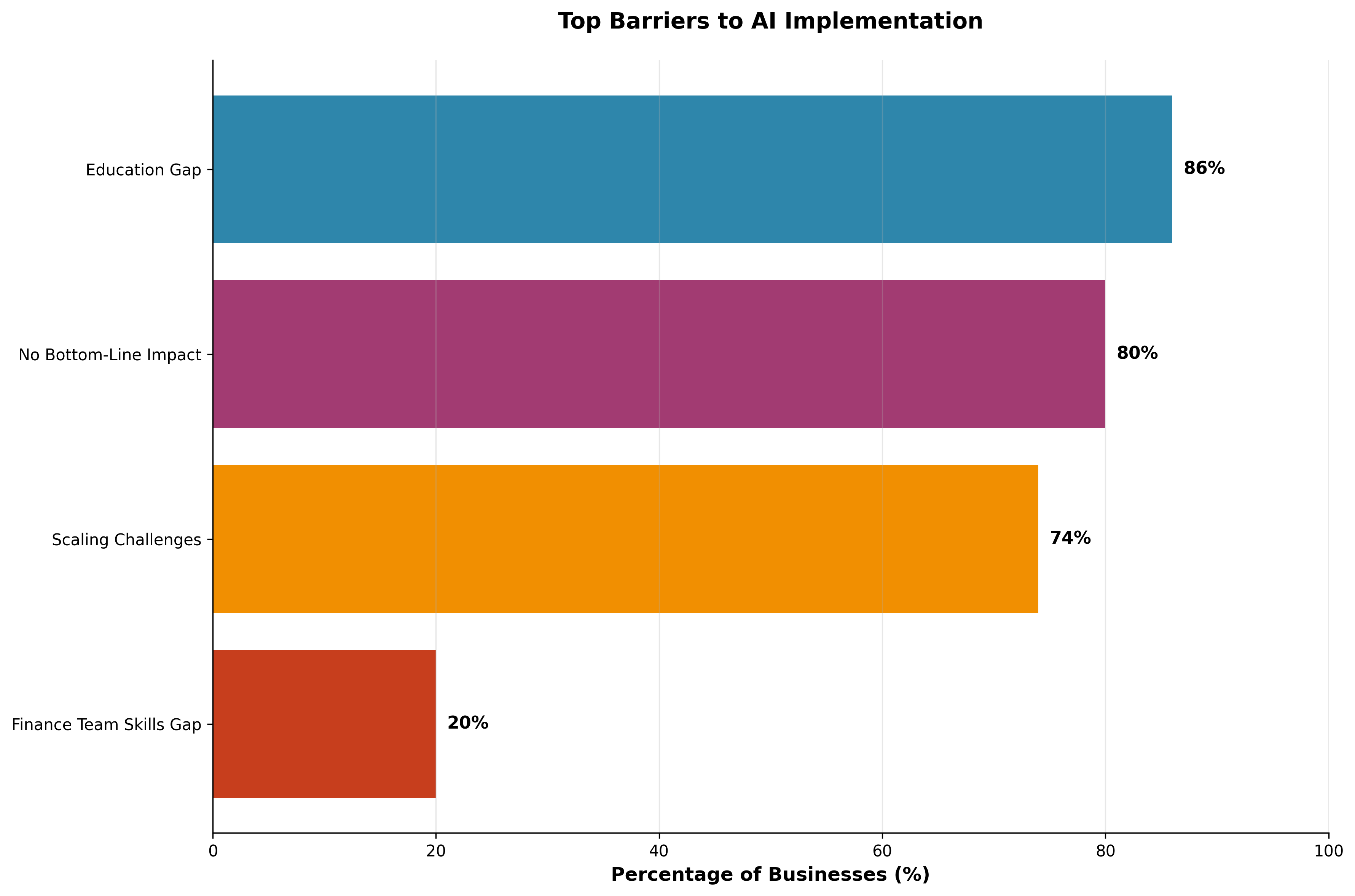
Detailed Barrier Analysis
1. Knowledge and Education Gaps (86%)
- Limited understanding of AI potential and applications
- Lack of awareness about AI benefits and ROI
- Insufficient knowledge about implementation strategies
2. Financial Constraints
- High financial investment required for implementation
- Tight budgets limiting technology investment
- Uncertainty about return on investment timeline
3. Technical Challenges
- Lack of qualified in-house personnel
- Complexity of integrating AI technologies
- Technical expertise gaps in implementation
4. Operational Barriers
- 74% of companies struggle to achieve and scale AI value
- Data privacy and security concerns
- Compliance and regulatory uncertainties
AI Applications and Business Functions
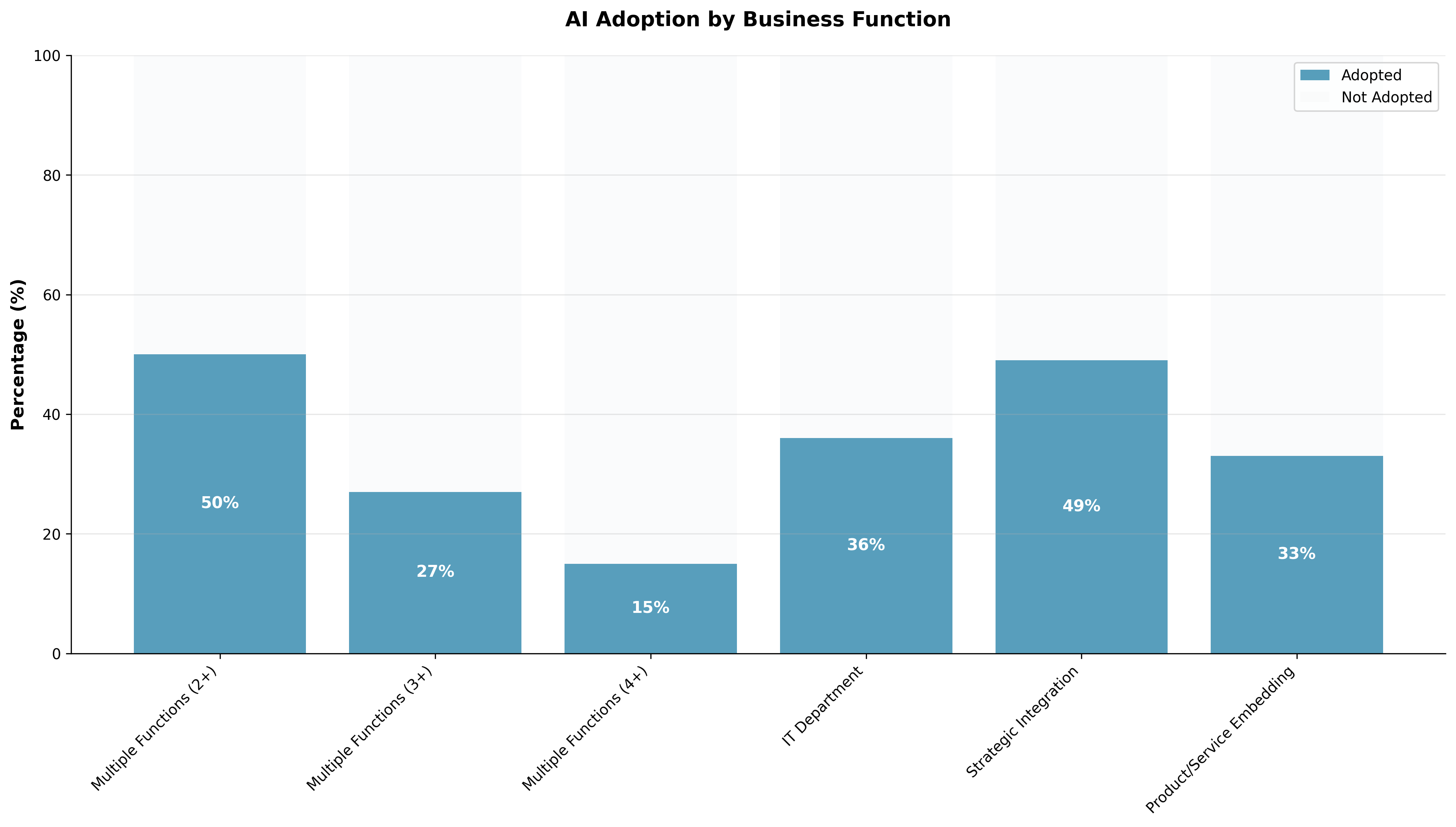
Small businesses are implementing AI across various functions, with some areas showing higher adoption rates than others. Understanding these patterns helps identify opportunities and best practices for AI integration.
Function Adoption Metrics
Primary AI Applications
- Automating Repetitive Tasks - Most common application across all business sizes
- Improving Operational Efficiency - Process optimization and workflow enhancement
- Sales and Lead Generation - Customer acquisition and relationship management
- Customer Service Automation - Chatbots and automated support systems
- Business Forecasting - Predictive analytics for planning and strategy
- Personalization - Customized customer experiences and recommendations
- Predictive Maintenance - Equipment monitoring and maintenance scheduling
Strategic Integration Patterns
- 49% of technology leaders report full integration of AI into corporate strategies
- 33% of companies are embedding AI directly into their products or services
- 50% of AI adopters have implemented AI in two or more business functions
- IT departments show the highest adoption rate at 36%
Key Insights and Recommendations
Based on comprehensive analysis of current adoption patterns, market trends, and implementation challenges, several critical insights emerge that can guide small businesses in their AI adoption journey.
Definition Matters
Adoption rates vary significantly based on how 'AI adoption' is defined. Businesses should focus on meaningful implementation rather than experimental use to achieve real business value.
Education is Critical
With 86% of small businesses citing education as a primary barrier, targeted awareness and training programs represent the highest-impact intervention for accelerating adoption.
ROI is Proven
Multiple studies demonstrate significant productivity and efficiency gains (30-50% increases), with some implementations showing ROI as high as 353% for specific tools like Microsoft Copilot.
Implementation Challenges Persist
74% of companies struggle with scaling AI initiatives, highlighting the need for strategic planning and proper change management in AI implementation.
Strategic Integration is Key
Companies with full strategic integration (49% of tech leaders) and multi-function implementation (50% use in 2+ functions) see better results than those with isolated AI experiments.
Market Momentum is Strong
With 92% planning to increase AI investment and 170% market growth projected, the competitive advantage will increasingly favor early and strategic adopters.
Strategic Recommendations
- Start with Education: Invest in understanding AI capabilities and business applications before implementation
- Focus on High-ROI Applications: Prioritize use cases with proven returns like automation and customer service
- Plan for Integration: Develop comprehensive strategies rather than isolated experiments
- Address Skills Gaps: Invest in training and potentially external expertise for successful implementation
- Monitor and Scale: Start small, measure results, and scale successful implementations across functions
Research Methodology and Sources
This comprehensive report is based on analysis of recent industry studies, surveys, and reports from leading research organizations and technology companies. The research methodology prioritized current data (2024-2025) from credible sources with established track records in business and technology research.
Data Collection Approach
- Research Date: June 25, 2025
- Data Currency: Focused on 2024-2025 studies for maximum relevance
- Source Selection: Prioritized established research organizations and industry leaders
- Cross-Validation: Multiple sources referenced for key statistics to ensure accuracy
Primary Data Sources
- McKinsey & Company - AI adoption surveys and enterprise reports (2024-2025)
- PwC - AI adoption trends and business impact studies (2024)
- Deloitte - Generative AI enterprise surveys and analysis (2024)
- Salesforce - Small and Medium Business AI adoption comprehensive survey
- Intuit & ICIC - Small business AI utilization and impact report
- PayPal Newsroom - Small business competitiveness and technology adoption survey
- U.S. Small Business Administration (SBA) - AI adoption tracking and policy development initiatives
- Microsoft - 365 Copilot ROI study specifically focused on SMBs
Research Limitations
- Definition Variations: Different studies use varying definitions of "AI adoption"
- Sample Sizes: Some studies focus on larger enterprises with limited small business data
- Regional Variations: Global statistics may not reflect specific regional patterns
- Rapid Change: AI market evolves quickly, potentially affecting projection accuracy
Data Quality Assurance
All statistics and projections included in this report have been cross-referenced across multiple sources where possible. Conflicting data points have been noted and contextualized. The research prioritizes recent studies (2024-2025) to ensure relevance in this rapidly evolving market.